 Kris 3 minutes to read
The pension choices nobody reads, solved with a personal video
The new Dutch pension system gives people more choices with bigger consequences. But almost nobody reads the letters that explain them. We built a proof of concept that turns that explanation into a personal video.
On 16 June 2026 the Dutch Senate approved the so-called “lump sum” option. From 2029, people will be able to have part of their pension paid out as a single sum when they retire. It is one of many choices the new pension system introduces.
And every choice has major, deeply personal consequences. What does such a lump sum mean for your monthly payout afterwards? And what if the markets turn against you? These are exactly the kind of questions where good explanation makes all the difference.
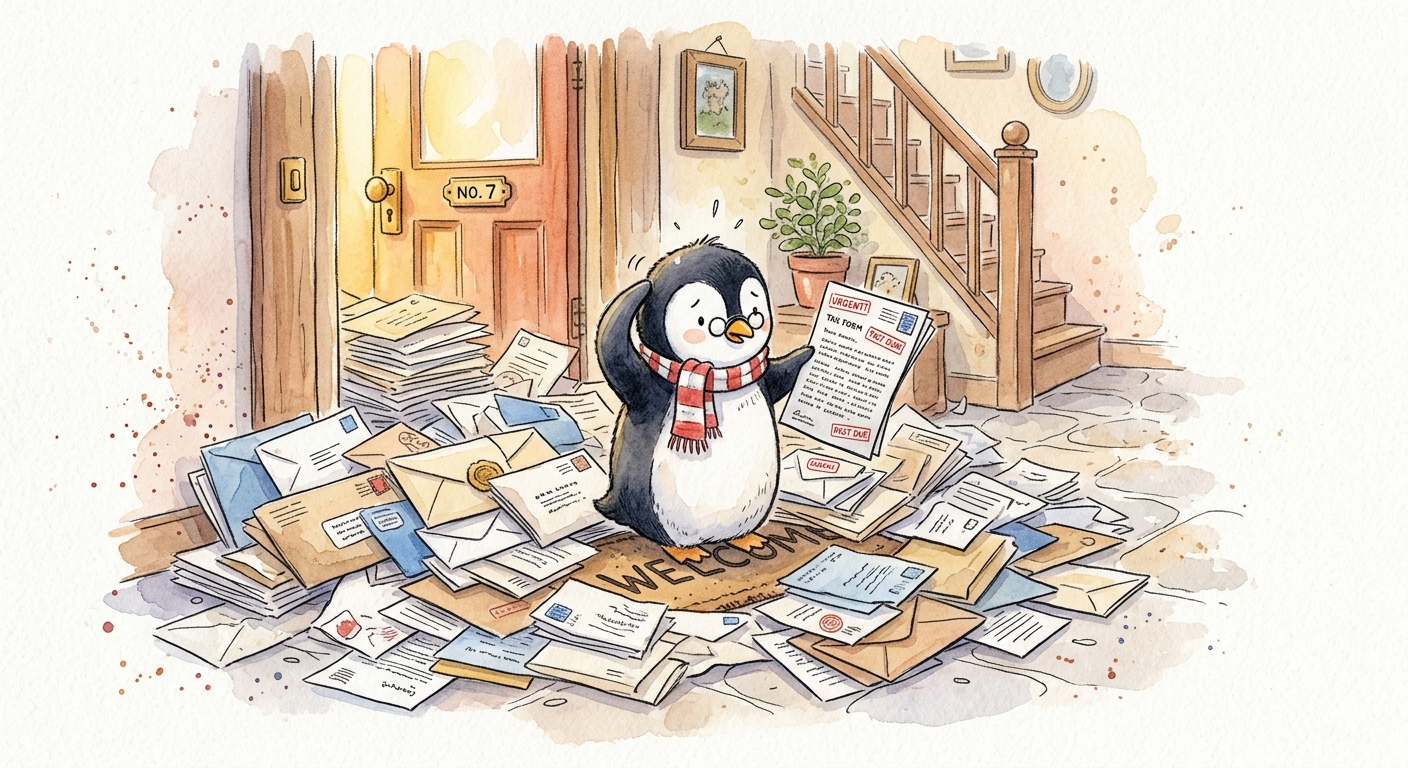
But that is where it goes wrong. The letters, appendices and decision aids from pension funds are barely read. The explanation never reaches the people who need it most, while the consequences of a wrong choice only grow.
A personal video does get watched
Pension expert Niek den Tex brought this question to us. His idea: almost nobody reads a generic brochure, but a video with your own name and your own figures is more likely to be watched. The difference between “information about pensions” and “this is about my pension”.
The tricky part is that personal usually doesn’t scale. You’re not going to hire an editing studio to cut a hundred thousand videos for a hundred thousand members. But automated, it can be done: not one film for everyone, but a personal video for each member, with AI and data as the engine.
Prove it first, then build
We deliberately didn’t build a finished product, but a proof of concept: personal data in (name, age, income, a few pension figures) and a ready-to-watch video out.
An idea on paper stays abstract; only when you see it running do you know whether it works and what it delivers. That’s why we like to make something tangible first, before anyone invests heavily in it — not a thick advisory report, but something that simply does the job. It came together quickly here because the lines were short: building, showing, gathering feedback and adjusting.
How it works
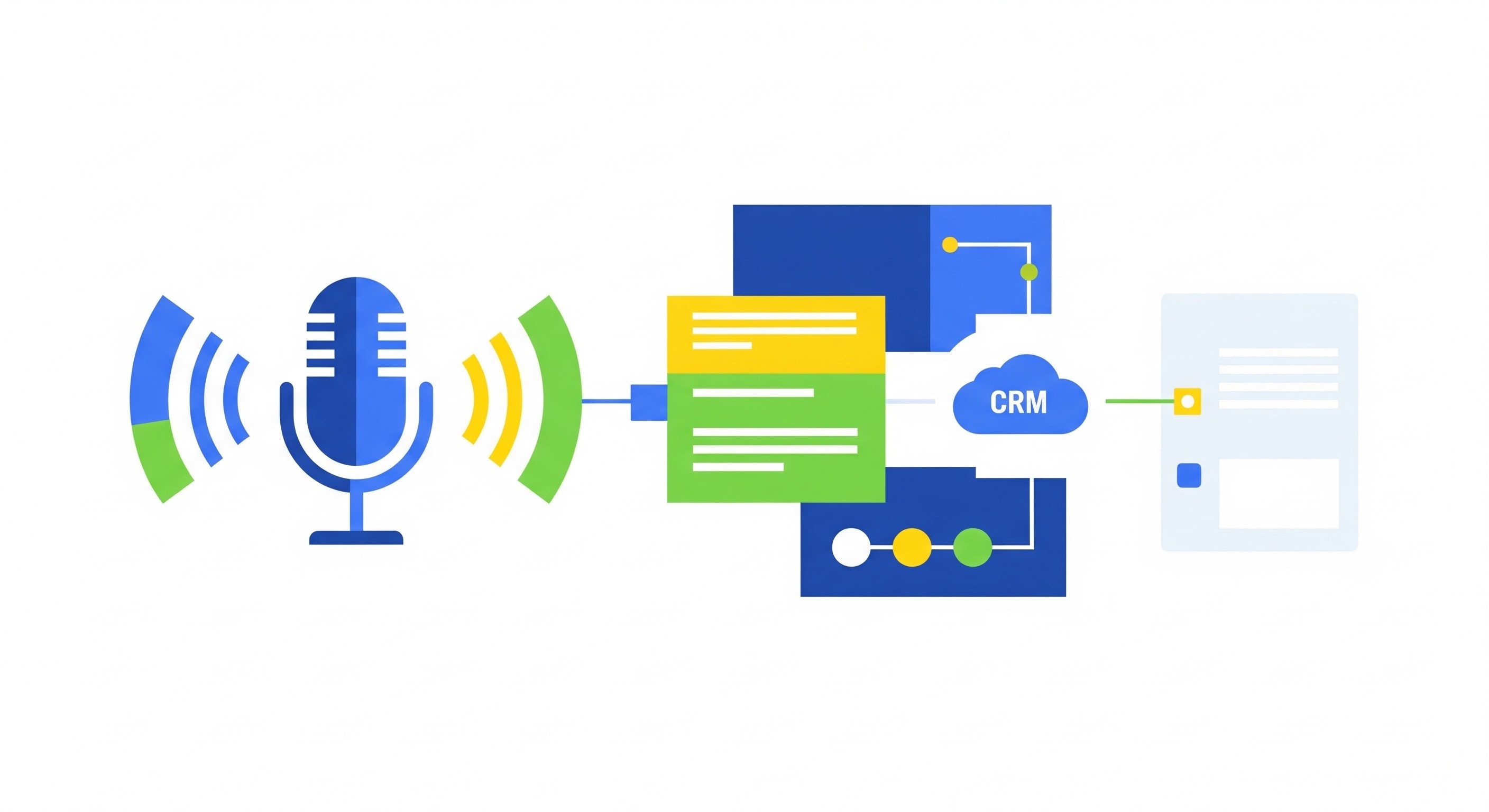
The core is surprisingly simple to explain. A natural AI voice (from ElevenLabs) narrates the personal script, with the right figures for that one person. The numbers, the charts and the animations we build with Remotion, which lets you create videos in code. Those visuals automatically follow along with what’s being said.
The beauty is that picture and sound line up on their own. The moment the voice says a figure, that figure appears on screen. No editing per person, no manual alignment. The result: fast, tailored and scalable at the same time.
Want to know more?
His view on the pension world and our experience with AI and custom software took this from idea to working demo. Want to know more about this pension idea? Then contact Niek den Tex.
Disclaimer: we used AI to write this article and make it an engaging read. But the core concepts and experiences come straight from the minds of our own Spinguins.